


“God” as Creativity
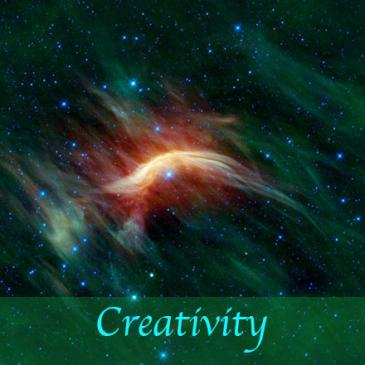
When a distinguished scientist and an eminent theologian agree on what is meant by God we should take notice. The scientist is complexity theorist Stuart Kauffman whose recent book is entitled Reinventing the Sacred. Like many he has left traditional religion behind, but he wants to retain a sense of the sacred nature of life, and he finds that sacred quality in creativity. Creativity, he suggests, is at the heart of things and in the very nature of the universe. In fact he identifies creativity with God, suggesting that what he means by God is simply creativity. He writes: “God is our chosen name for the ceaseless creativity in the natural universe, biosphere, and human cultures.” He comes to this conclusion because “This creativity is stunning, awesome and worthy of reverence.”
He goes on: “Is it, then, more amazing to think that an Abrahamic transcendent, omnipotent, omniscient God created everything around us, all that we participate in, .. or that it all arose with no transcendent Creator God, all on its own? I believe the latter is so stunning, so overwhelming, so worthy of awe, gratitude and respect that it is God enough for many of us. God, a fully natural God, is the very creativity of the universe.”
The theologian is Harvard’s Gordon Kaufman (same last name but they are not related) whose book is entitled In the Beginning ... Creativity.
He proposes “serendipitous creativity as a metaphor more appropriate for thinking of God today than such traditional image/concepts as creator, lord, and father.” God as creativity, he says, is not a personal God as the Western faiths have maintained because in today’s world it is no longer possible to think of God in “traditional anthropomorphic terms.”
For me it doesn’t work to think of creativity as God. For one thing I don’t know why we should give creativity the name of God or why we need to deify creativity. To me the word creativity is sufficient without identifying it with deity. Moreover, I spent too many years thinking of God as a personal supernatural being, and that idea of God is too deeply ingrained for me to embrace a different concept and so I am a non-theistic Humanist. Nevertheless I think those who think of God as creativity are telling us something important, namely that creativity is at the center of this universe and, since we are the product of the creativity of the universe, very much at the center of our lives as well. We are creative beings, beings who are both the product of the universe’s creativity and beings who create ourselves, artifacts and cultures. They are telling us that the very nature of matter-energy is creativity, and that creativity is worthy of being called sacred. That I can agree with.
Creativity is simply the process of bringing something new into being, and it is a fundamental quality of the human species. Each of us has come into being as the result of a creative process that began with the union of the sperm and egg and continued with our growth into something new, a unique person like nothing else or anyone else in the entire universe. And many of us have experienced the joy of being part of the creation of new life, the lives of our children.
We are part of the creativity of nature, and nature’s creativity is extraordinary and amazing. During the billions of years this world has been in existence hundreds of millions of living forms have come into being, with many of them still in existence and millions having become extinct. For example, just think about the number of birds in the world. I have a book entitled Birds of North America. The book contains pictures and descriptions of over 2,000 species of birds, and that’s in North America alone. Or ponder the number of animals or the numbers of marine life in the oceans, some of which live so far down in the ocean depths that we are still in the process of discovering them. Or think about the number of trees and plants on this planet -- numbers that boggle our minds -- and each one is the result of the creative powers of “Mother Nature.” And if none of those amazes you, ponder the trillions of insects that inhabit and have inhabited our planet. I love to watch television programs like the “Planet Earth” series which always lead me to feelings of amazement at the incredible diversity of life on the earth -- as well as the extraordinary beauty of it all.
One of the creation stories in the book of Genesis says that God created human beings “in the image of God.” Some theologians have taken that to mean that human beings are capable of love as God is, while others have said that the image of God refers to our ability to reason. If I were interpreting it I would suggest that it refers to human creativity. In other words, we are creative beings just as God is supposedly a creative being.
The two Kaufmans are not the first to make the connection between creativity and divinity. Over fifty years ago the Unitarian theologian Henry Nelson Wieman identified creativity with God and talked about creative interchange between people as being the essence of religion. He suggested that when we engage in creative interchange we are participating in the creativity of God.
Wieman is usually categorized as a process theologian. Process theology holds that we humans are co-creators with God of history. God is a force for good that pulls us toward goodness, wholeness and health, but God does not coerce us. The God of process theology does not exercise power in the form of coercion but in the form of influence and encouragement. The process we call history is the creative process human beings engage in with this force we call God which tries to influence us to create the good, the true and the beautiful. Everything we do is either creative or destructive.
But, however you feel about thinking of creativity as God, creativity is certainly an important aspect of what it means to be human. Scientist Kaufman suggests that we are “co-creators of a universe, biosphere, and cultures of endlessly novel creativity.” We are part of nature and our creative urge is part of nature’s incredible creativity that has been going on for billions of years. As he said, this should be “God enough” for human beings, at least for those who feel the need for the concept or the word.
Photo credit: WikiImages on Pixabay Read more about “God” as Creativity »